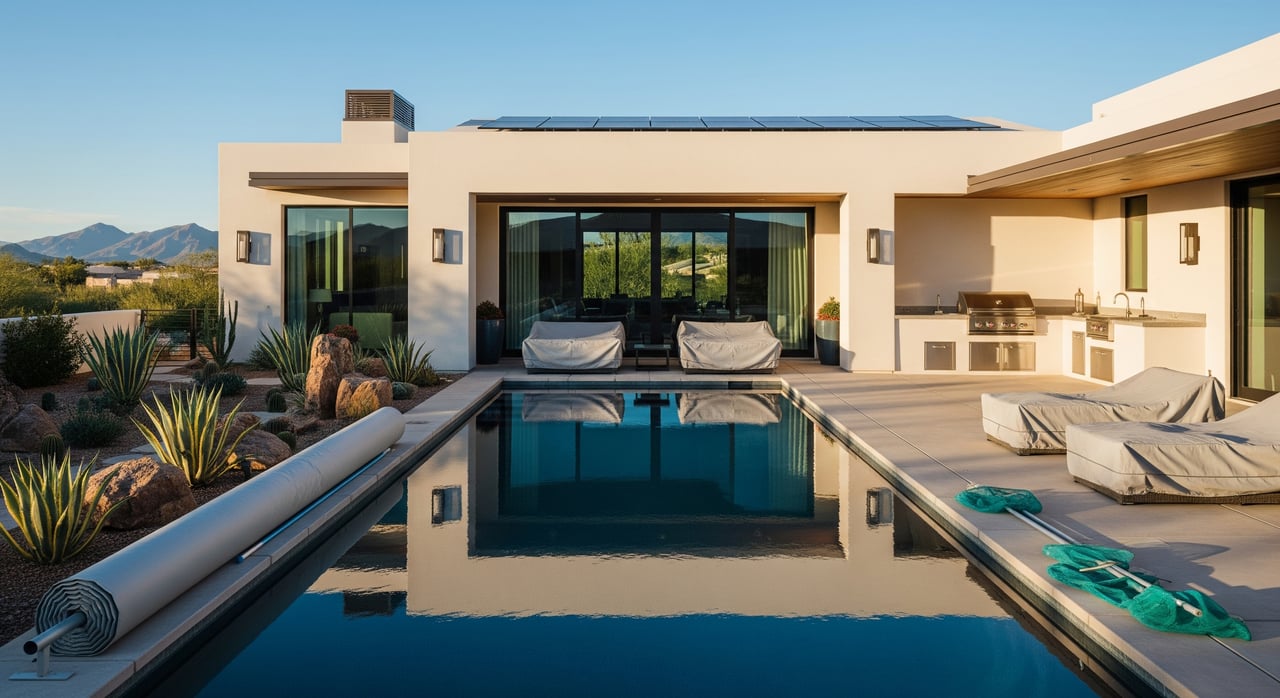
Chilly desert nights can sneak up on you in Scottsdale. Most days feel mild, but a short cold snap can still stress plumbing, pool equipment, and landscaping. If you want to avoid surprise repairs and keep your home running efficiently, a targeted winter checklist makes a big difference.
Below, you’ll find a Scottsdale-specific plan that covers major systems, desert landscaping, pools, pests, and safety. You’ll also get trusted local resources to check for alerts, watering schedules, and utility programs. Let’s dive in.
Why winter maintenance matters in Scottsdale
Scottsdale winters bring warm days and cool nights, with rare but possible freezes. A single night below 32 degrees can damage exposed pipes and outdoor equipment. Keep an eye on freeze watches and warnings from the National Weather Service Phoenix office.
Water conservation continues year-round. Many landscapes need far less irrigation in winter, and over-watering can harm plants and raise bills. Review seasonal guidance from the City of Scottsdale Water team before you adjust your schedule.
Strong sun and temperature swings can create hairline stucco cracks and dry out seals around windows and doors. Pests also seek shelter in cooler months, so simple exclusion steps help keep them out.
Quick winter checklist
- Change HVAC filters and confirm your thermostat schedule.
- Inspect roof, gutters, flashings, and exterior stucco.
- Wrap or cover exposed outdoor pipes and hose bibs before a freeze.
- Adjust irrigation for winter and check for leaks.
- Service pool heater and verify freeze protection settings if installed.
- Test smoke and carbon monoxide detectors and replace batteries.
- Seal gaps at doors, windows, and utility penetrations to deter pests.
HVAC and indoor comfort
Your heating demand is lower here, but reliable performance still matters on chilly nights. Replace or clean filters every 1 to 3 months, especially if you have pets or dust-prone conditions. A clean filter helps airflow and keeps your system efficient.
If you did not schedule fall maintenance, consider a tune-up now. A technician can inspect heat elements, a heat pump’s defrost cycle, fan motors, and electrical connections. Program your thermostat for cooler nighttime setpoints and for energy savings when you are away.
Plumbing and water heater
Give your water heater a quick visual check for signs of corrosion, leaks, or moisture around the base. On gas units, make sure the vent is secure and clear. Insulating the tank and nearby hot-water lines can reduce heat loss and help with comfort.
Know your main water shut-off location. When a hard freeze is forecast, insulate exposed hose bibs and any above-ground lines. During prolonged freezing periods, a slow drip at the farthest faucet can help relieve pressure. If a pressure relief valve test or any repair feels risky, call a licensed plumber.
Pools and spas
Many Scottsdale pools run year-round, so adjust your routine rather than shutting down. As water temperatures drop, algae growth slows but chemistry still matters. Keep sanitizer and pH balanced and clean skimmers regularly.
If you use a pool or spa heater, service it before heavy use. Have a pro check the igniter, pilot, and electrical or gas connections. For rare freeze nights, protect external pumps and exposed lines with covers or insulation, and verify any freeze-sensor settings operate as designed.
Solar panels and monitoring
Dust and bird droppings can reduce solar output. Do a visual inspection from the ground and clean panels if you notice a performance dip. Check your inverter status lights and monitoring app for error codes. Trim new growth that creates winter shade patterns.
Roof, gutters, and exterior envelope
Schedule an annual roof check to spot small issues early. Inspect tile or shingle surfaces for chips or displacement and look closely at flashings and penetrations around vents or solar mounts. Clear gutters and downspouts of desert debris like palo verde and mesquite pods. Make sure downspouts move water away from the foundation.
Walk the exterior and note any hairline stucco cracks. Seal small cracks to prevent moisture intrusion. Check weatherstripping at doors and the seals around windows. Replacing worn strips can reduce nighttime heat loss and limit dust infiltration.
Irrigation, landscaping, and water use
Winter irrigation needs are lower. Many desert-adapted plants prefer deeper, less frequent soak cycles when it is cool. Confirm current guidance and any seasonal programs with City of Scottsdale Water before you reset controllers.
Inspect drip lines and sprinkler heads for leaks, broken emitters, or overspray. Mulch around plants to moderate soil temperature and reduce evaporation. If you overseeded for winter grass, review HOA expectations and Scottsdale’s water recommendations. Watering too often can stress turf and plants and increase costs.
Trees, palms, and yard safety
Remove loose palm fronds and prune dead or damaged branches that could fall in a storm. For tall trees and palms, hire a licensed arborist for safe work at height. Maintain clearance between trees, shrubs, and your home to reduce roof debris and pest shelter. Keep grading sloped away from the foundation and maintain 6 to 12 inches of clearance between soil or mulch and stucco.
Pest prevention during cooler months
As temperatures dip, scorpions, rodents, spiders, and cockroaches look for warm gaps. Seal openings around pipes, vents, and door thresholds and add door sweeps where needed. Store firewood and yard debris away from the house and keep rock beds tidy. For identification and prevention strategies that fit Sonoran Desert conditions, review guidance from the Arizona Cooperative Extension.
If you notice droppings or gnaw marks in the attic or garage, consider professional exclusion and trapping. A licensed pest control provider can target scorpions and rodents with methods suited to your property.
Safety, utilities, and local resources
Test smoke and carbon monoxide detectors and replace batteries if needed. If a freeze is forecast, cover vulnerable plants and protect outdoor faucets. For the latest freeze and frost alerts, monitor the National Weather Service Phoenix office.
Utilities may offer rebates and tips for efficiency improvements. Check with your electricity provider, such as Arizona Public Service (APS), for energy-saving programs and any available home energy audits. Before starting major exterior work, review HOA guidelines and consult the City of Scottsdale or Maricopa County for permit requirements.
Suggested winter timeline
Early fall (Oct–Nov)
- Service HVAC and change filters.
- Inspect roof, gutters, and exterior caulking.
- Adjust irrigation for winter; repair leaks and broken emitters.
- Clean pool skimmers and service the heater before first use.
- Insulate hose bibs ahead of the first freeze advisory.
- Test smoke and CO detectors and replace batteries.
Mid-winter (Dec–Jan)
- Watch forecasts for freeze nights; protect exposed pipes and sensitive plants.
- Check pool chemistry weekly if the pool is open.
- Keep up pest exclusion and inspect garage and attic for entry points.
Late winter to early spring (Feb–Mar)
- Prune shade trees and palms as appropriate.
- Plan irrigation changes for warmer months and schedule controller updates.
- Tackle any larger exterior repairs you identified over winter.
Thinking about selling this spring?
A well-maintained home shows better, photographs better, and can help you avoid repair requests during escrow. If you are planning a spring sale, this winter is the perfect time to handle small fixes that pay off. I can help you prioritize quick wins and decide which projects make sense for your price point and neighborhood.
Have questions about where to start or how winter prep aligns with your selling timeline? Reach out to Jaime Fernandez for tailored guidance and a plan that fits your goals.
FAQs
What winter risks do Scottsdale homes face?
- Cool nights and occasional freezes can stress exterior plumbing and pool equipment, while desert sun and temperature swings can crack stucco and wear seals.
How should I adjust irrigation in winter?
- Reduce frequency and use deeper soak cycles, then confirm seasonal guidance and any city programs through City of Scottsdale Water before setting controllers.
Do Scottsdale pools need to be closed for winter?
- Not usually. Keep basic chemistry in balance, service heaters before use, and protect pumps and exposed lines during freeze nights.
What is the best time to prune desert trees?
- Late winter to early spring is generally best for structural pruning. Use a licensed arborist for tall trees and palms.
Which local resources should I check for alerts and programs?
- Monitor the National Weather Service Phoenix office for freeze alerts, review City of Scottsdale Water for conservation guidance, and check APS for energy-saving programs.