Thinking about buying in Scottsdale and wondering if an HOA is right for you? You are not alone. Many communities here include associations with rules, amenities, and fees, while plenty of older or custom-home pockets have no HOA at all. By the end of this guide, you will understand the tradeoffs so you can choose what fits your lifestyle, budget, and long-term plans. Let’s dive in.
HOA basics in Scottsdale
Scottsdale offers a mix of housing types. Condos and townhomes near Old Town and key corridors often have HOAs. Many master-planned neighborhoods such as McCormick Ranch, DC Ranch, McDowell Mountain Ranch, and Gainey Ranch include associations that maintain common areas and amenities. Luxury gated and golf communities like Troon, Desert Mountain, and Silverleaf almost always have HOAs. Older single-family neighborhoods and some custom-home areas may have no HOA or only voluntary associations.
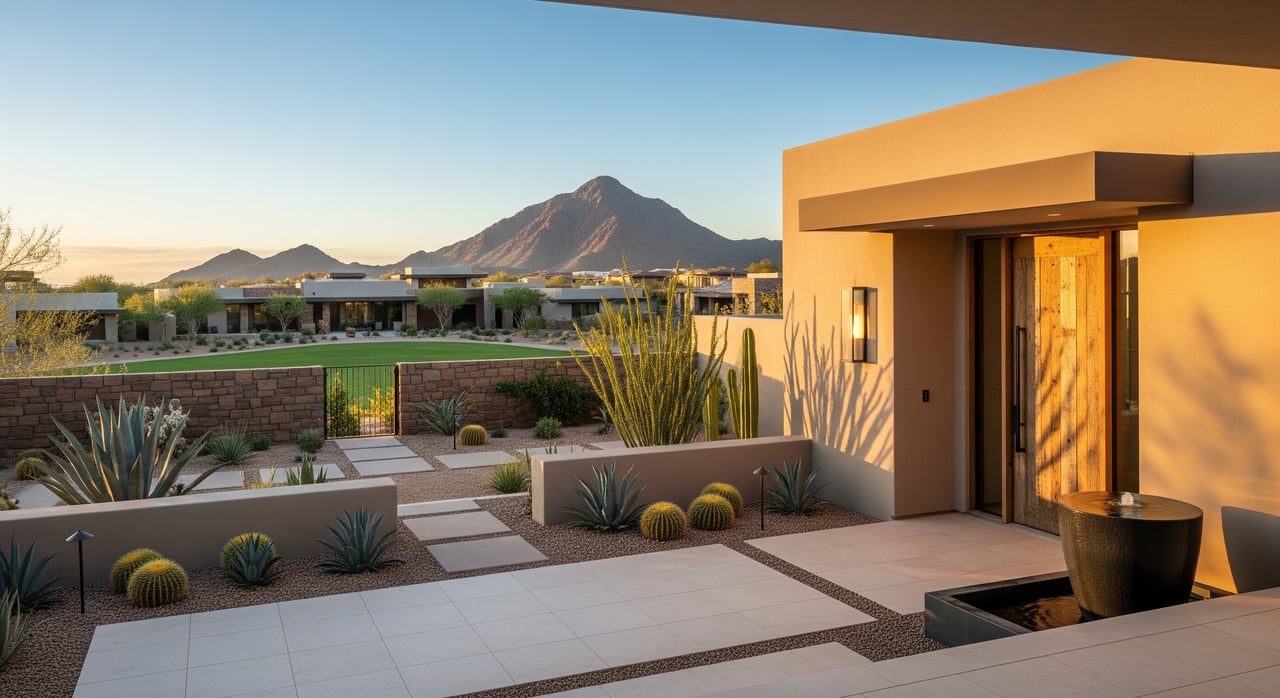
In Scottsdale’s desert climate, HOA standards often cover xeriscaping, irrigation, and curb appeal. Tourism and second-home demand also shape rules on rentals, guests, and amenity access.
Pros of HOA living
- Common area care. HOAs maintain landscaping, pools, trails, lighting, private roads, and irrigation systems. This is valuable in a desert environment where plant selection and water management matter.
- Amenities and lifestyle. Many communities offer pools, clubhouses, gyms, and sometimes golf or guarded gates, which appeal if you want a low-maintenance or lock-and-leave lifestyle.
- Architectural consistency. CC&Rs and design review can preserve neighborhood appearance and potentially support long-term values by limiting poor exterior changes.
- Planned funding. Reserve funds and assessments help pay for big projects like road resurfacing, roof work on condos, or pool upgrades.
- Professional management. A good management company can improve upkeep, communication, and enforcement.
Cons of HOA living
- Ongoing dues. Monthly or annual fees add to your housing costs. Some luxury or golf communities also have club or capital fees.
- Special assessments. If reserves are low or repairs pop up, the board may levy special assessments.
- Rules and enforcement. Expect limits on paint colors, landscaping choices, exterior modifications, and parking. Rental policies are common, including minimum lease terms.
- Governance risk. Boards and management vary in quality. Poor transparency or weak financial controls can affect community function and value.
- Rental limits. Many associations restrict short-term rentals. Even if city rules allow them, HOA rules can be stricter.
Pros of non-HOA living
- More autonomy. You control exterior choices, landscaping, parking, and rentals within city rules. No architectural committee reviews.
- No HOA dues. You cut a recurring expense and avoid HOA assessments, though you still cover all maintenance.
- Flexible rentals. Investors and second-home owners often prefer fewer restrictions. Always check recorded covenants and city rules.
- Easier changes. Exterior projects typically do not need HOA approval, but you must follow city permitting.
Cons of non-HOA living
- Full responsibility. Landscaping, irrigation, exterior paint, fences, and driveway upkeep are on you. In the desert, that can require specialized knowledge.
- Less visual predictability. Neighbors may make different choices on upkeep and design, which can impact curb appeal and resale.
- Fewer shared amenities. You will not have HOA pools or parks, and there is no pooled fund for major projects.
- Possible deed covenants. Some “non-HOA” areas still have recorded restrictions or voluntary associations. Always verify.
Legal and financial basics in Arizona
Arizona regulates planned communities and condos under Title 33 of the Arizona Revised Statutes. Sellers and developers often must provide key association documents in a resale or public offering packet. Associations have lien rights for unpaid assessments. If you are financing a condo with FHA, VA, or certain conventional loans, your lender may require project approval and will review HOA financials, insurance, and litigation status.
Insurance varies by property type. Condo and townhome master policies often cover building exteriors and common areas while you carry an HO-6 policy for the interior. Single-family homes in HOAs typically rely on the owner’s policy, with the HOA insuring only common areas. HOA dues are generally not tax-deductible for a primary residence. If you rent the property, some dues may be deductible as business expenses. Consult a tax professional as needed.
How HOA rules affect resale
- Amenities and reserves. Well-run HOAs with amenities and healthy reserves can boost marketability for buyers who prefer low-maintenance living.
- Rental policies. Restrictions on short-term rentals can narrow the buyer pool for investors and some second-home owners.
- Non-HOA appeal. Homes without associations can attract buyers who want autonomy and no dues, yet varied neighborhood upkeep may limit broader appeal.
How to choose what fits
- You want turnkey convenience. Consider HOA communities with strong reserves and amenities.
- You value freedom and projects. Consider non-HOA neighborhoods or areas with voluntary associations.
- You plan to rent. Review city rules and any recorded covenants. If considering an HOA, confirm minimum lease terms and short-term rental policies.
- You want luxury features. Gated or golf communities often require HOAs, which deliver the experience many Scottsdale buyers want.
Buyer checklist for HOA homes
Use this quick list when evaluating an HOA property:
- Request the full resale packet: CC&Rs, bylaws, rules, budget, financials, and insurance declarations.
- Review recent meeting minutes and any reserve study to assess reserves and planned projects.
- Confirm current dues, recent increases, and any pending or proposed special assessments.
- Check rental rules, pet policies, parking limits, guest access, and architectural approval timelines.
- Ask about management, delinquency rates, and any pending litigation.
- Verify what the HOA maintains versus what you must maintain, especially landscaping, irrigation, roofs, and fences.
- Compare recent neighborhood sales to gauge value and marketability.
Questions to ask an HOA or seller
- What are current dues, due dates, and the last increase date?
- Are any special assessments planned or discussed? How will they be funded?
- Is there a current reserve study and an adopted funding plan?
- Are there active or threatened lawsuits involving the association?
- What are typical enforcement practices for violations and late payments?
- What are the rental rules and minimum lease terms? Are short-term rentals prohibited?
- How does architectural review work and how long do approvals take?
- Who maintains landscaping and irrigation? What about roofs and exterior paint?
- Are there parking restrictions for guests, street parking, or RVs and boats?
- What does the master insurance policy cover and what must the owner insure?
Seller tips for HOA and non-HOA
- HOA sellers. Order the resale packet early, disclose any assessments or litigation, and highlight amenity updates and strong reserves.
- Non-HOA sellers. Clarify any recorded covenants or voluntary associations, and showcase recent maintenance and landscaping work.
- All sellers. Be transparent about costs, policies, and property condition to build buyer confidence and reduce surprises.
Ready to compare specific Scottsdale neighborhoods or review HOA documents side by side with your goals? For tailored guidance and a concierge plan that fits your lifestyle, connect with Jaime Fernandez.
FAQs
What is an HOA in Scottsdale?
- A homeowners association is a private organization that sets and enforces rules, collects dues, and maintains common areas in many Scottsdale communities.
How common are HOAs in Scottsdale?
- Condos, townhomes, master-planned, and many luxury or golf communities usually have HOAs, while some older single-family pockets and custom-home areas do not.
What do HOA dues typically cover?
- Dues often fund landscaping, irrigation, pools, private roads, lighting, and management. Coverage varies, so review the budget and insurance details.
Can an HOA restrict short-term rentals?
- Yes. Many HOAs limit or prohibit short-term rentals even if city rules allow them, so check leasing policies and minimum lease terms.
Are HOA dues tax-deductible?
- For a primary residence, dues are generally not deductible. For rentals, some dues may be deductible as business expenses. Consult a tax professional.
What are the risks of a poorly funded HOA?
- Low reserves can lead to special assessments, deferred maintenance, financing challenges for buyers, and potential pressure on resale values.
What should I verify in a non-HOA area?
- Confirm whether any recorded covenants exist, check city rules for permits and rentals, and budget for full maintenance, including landscaping and irrigation.
How do HOAs affect financing for condos?
- Lenders may require condo project approvals and will review HOA financials, insurance, and litigation, which can impact loan eligibility and timelines.