Wondering if a second home in Scottsdale is a smart lifestyle move, a seasonal retreat, or a costly surprise? You are not alone. Many buyers are drawn to Scottsdale for winter use, long weekends, or part-time living, but the right purchase depends on how you plan to use the home. In this guide, you will learn what to watch for before you buy, from neighborhood price differences to rental rules, ownership costs, and financing considerations. Let’s dive in.
Why Scottsdale Appeals to Second-Home Buyers
Scottsdale has long attracted buyers looking for a part-time home with strong lifestyle appeal. It is also a premium market, which means your decision should balance enjoyment, convenience, and long-term carrying costs.
According to the U.S. Census Bureau QuickFacts for Scottsdale, the median value of owner-occupied housing units is $789,800, and median monthly owner costs with a mortgage are $2,577. Redfin reported a February 2026 median sale price of about $998,000 for Scottsdale homes, with homes averaging 56 days on market.
That bigger picture matters because Scottsdale is not one uniform market. In February 2026, Downtown Scottsdale housing data showed a median sale price around $700,000 and 91 days on market, while North Scottsdale was closer to $1.3 million with 62 days on market. If you are buying a second home, that spread can shape both your budget and the kind of ownership experience you want.
National housing patterns also support Scottsdale’s role as a seasonal market. The Census Bureau reported that about 4.3 million U.S. homes were vacant only part of the year in 2024, largely for recreational or seasonal use. That fits the way many buyers use Scottsdale homes, especially for winter stays or recurring shorter visits.
Match the Home to Your Use
Before you choose a neighborhood or price point, get clear on how you will actually use the property. A second home for personal use only is different from a home you may rent part of the year.
Scottsdale includes both detached homes and attached options like condos and townhomes. The city notes that vacation and short-term rentals exist in both single-family and multi-family properties, which gives you flexibility but also changes the ownership tradeoffs.
Condos and townhomes
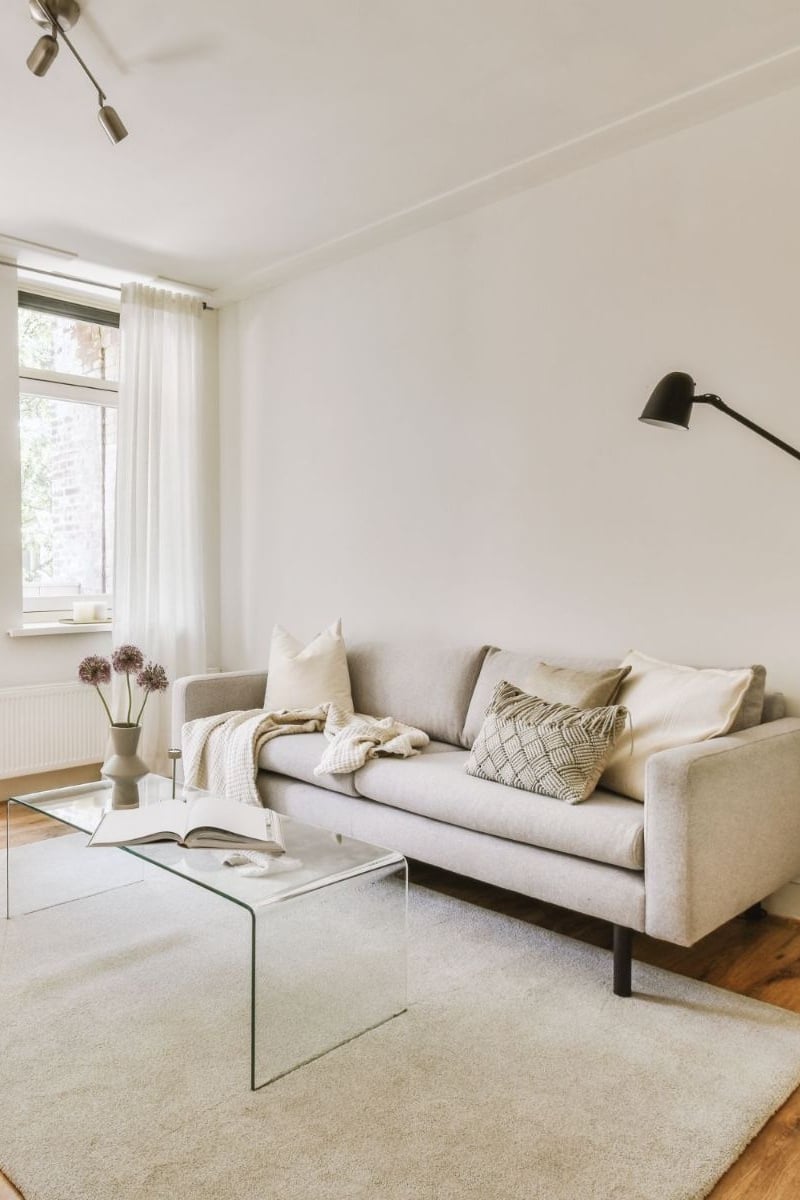
If you want a lock-and-leave setup, an attached property may feel like the easier fit. This type of home can reduce some exterior and landscape responsibilities, which can be helpful if the property will sit empty for part of the year.
That said, convenience often comes with HOA dues and community rules. Those monthly costs and restrictions should be part of your decision from day one.
Detached homes
If you want more privacy, outdoor space, or a stronger full-time-home feel, a detached property may fit better. This option can offer more flexibility for guests and more room for features like pools, patios, or outdoor living.
The tradeoff is usually more maintenance. For many second-home buyers, that can mean budgeting for landscape service, pool service, and regular property oversight.
Understand Rental Rules Before You Buy
If rental income is even a possible part of your plan, make sure you understand the rules before you close. In Scottsdale, short-term rentals are legal, but they are not casual.
For rentals of fewer than 30 days, Scottsdale requires an annual city license for each property, and the fee is $250 per property. The city also requires a state Transaction Privilege Sales Tax license, Maricopa County registration before occupancy, neighbor notification, liability insurance of at least $500,000, and an emergency contact, according to the city’s vacation and short-term rental requirements.
The city also limits occupancy to six adults plus related dependent children and prohibits nonresidential event uses such as banquet or event-center activity. If you are picturing a home that can simply operate on autopilot, Scottsdale’s rules say otherwise.
HOA rules can be stricter
Even when state law allows short-term rentals, HOA and deed restrictions still matter. Scottsdale specifically notes that homeowner associations may regulate or restrict rentals, so you will want to review CC&Rs, minimum stay rules, rental caps, and any community approval process before you buy.
This is one of the biggest reasons second-home buyers should plan ahead. A property that looks perfect on paper may not work if the community rules do not match your intended use.
Management matters
Scottsdale also enforces nuisance-party rules for all private residences. The city states that owners are accountable for repeated unruly gatherings or parties, whether the property is owner-occupied, long-term rented, or used as a short-term rental.
That means a rental property needs active oversight. If you plan to rent the home, you should approach it like a supervised business, not an unattended asset.
Know the Costs of Owning in Scottsdale
Purchase price is only part of the equation. The bigger question is what it will cost you to comfortably own the home month after month.
The Census Bureau’s Scottsdale data shows median monthly owner costs with a mortgage at $2,577, but those figures do not include maintenance or repair expenses. In practice, your budget may also need to cover:
- Property taxes
- HOA or condo dues
- Homeowners insurance
- Utilities
- Cleaning services
- Landscape service
- Pool service
- Repairs and preventive maintenance
HOA costs deserve special attention. In 2024, 45% of Arizona homeowners reported paying condo or HOA fees, according to 2025 Census data on housing costs. In Scottsdale, association dues are often a meaningful part of the monthly ownership picture.
Property taxes also affect cash flow. The Maricopa County Treasurer bills taxes in two installments, and interest can accrue on late balances. If your home is vacant part of the year or rental income is seasonal, those timing issues are worth planning for.
Desert Maintenance Is Real
Scottsdale offers a beautiful desert setting, but it also comes with maintenance demands that out-of-town owners sometimes underestimate. This is especially important if your home will not be occupied full-time.
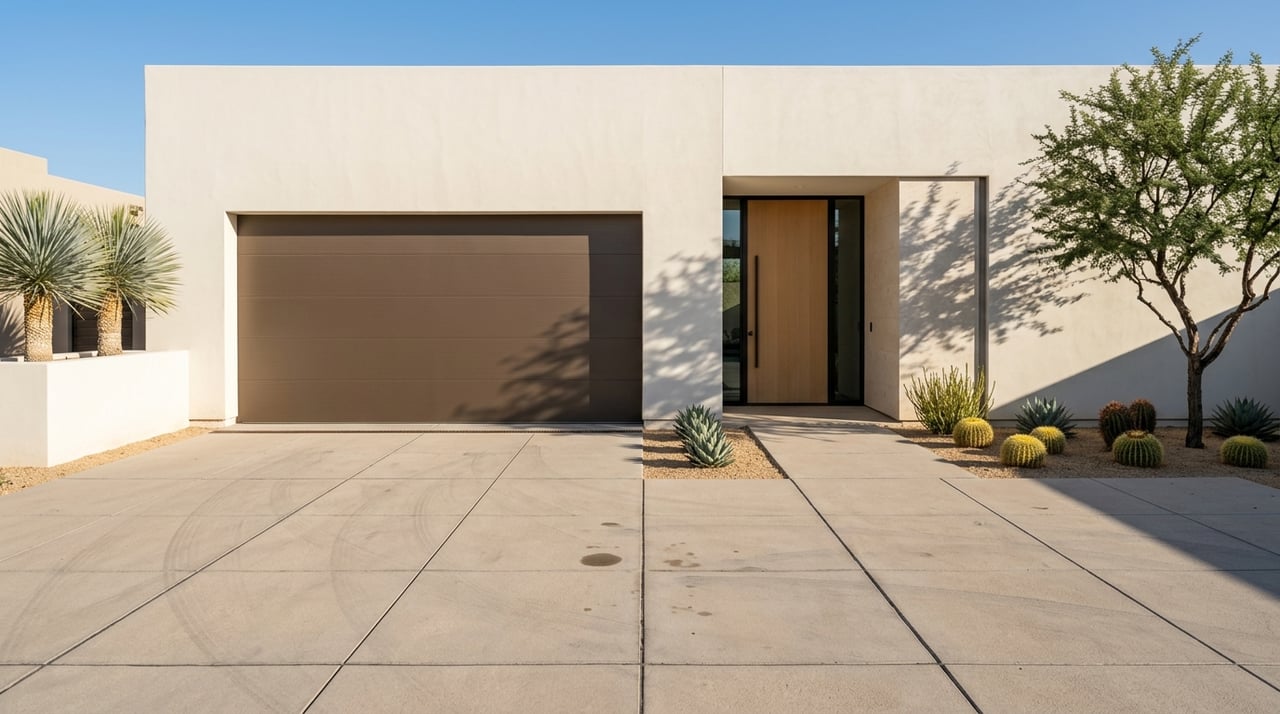
The city’s code enforcement guidance notes that desert landscaping should be maintained free of grass and weeds, and overgrown vegetation can become a code issue. That means even a low-water yard still needs regular attention.
Pools are another ongoing cost. Scottsdale Water notes that a 400-square-foot pool can lose about 19,665 gallons of water per year to evaporation, and the city provides resources on outdoor water efficiency and leak guidance. For many second-home owners, irrigation checks and pool service are not optional extras. They are part of responsible ownership.
If the property has a pool and may be used as a short-term rental, Scottsdale pool safety rules say additional pool-barrier requirements may apply. That is one more reason to align your purchase with your actual use plan.
Financing and Tax Planning Can Change the Deal
Second-home financing is not the same as financing a primary residence. If you expect to use the property as a true second home, your loan structure may depend on that occupancy definition.
Fannie Mae’s occupancy rules say a second home must be occupied by the borrower for some portion of the year, suitable for year-round occupancy, under the borrower’s exclusive control, and not be a rental property or timeshare. That means a heavy rental plan may push the loan into investment-property territory instead.
Loan-to-value limits can also be tighter. The practical takeaway is simple: if your strategy includes meaningful rental use, talk through financing early so there are no surprises later.
Taxes can shift too, depending on how the home is used. The Arizona Department of Revenue says that beginning January 1, 2025, residential rentals of 30 days or more should no longer have city transaction privilege tax collected on that income. That makes it important to separate a short-term vacation rental strategy from a longer-term lease strategy before you buy.
On the federal side, the IRS explains in Publication 527 that if a vacation home has both personal and rental use, expenses must be allocated between the two. Mortgage interest rules can also vary based on use and loan limits. For that reason, many buyers benefit from speaking with a CPA before closing.
What Smart Scottsdale Buyers Do First
The most successful second-home buyers in Scottsdale start with clarity, not just excitement. They decide how often they will use the home, whether rental income is truly part of the plan, and how much time and money they want to devote to maintenance.
From there, the search gets much easier. A lower-maintenance condo in one area may be ideal for seasonal living, while a detached home in another may make more sense for privacy, entertaining, or a longer hold.
Scottsdale can be an excellent second-home market, but it rewards buyers who think through usage, compliance, financing, and monthly costs before they fall in love with a property. If you want tailored guidance on where to focus, what to compare, and how to avoid costly mismatches, Jaime Fernandez can help you navigate Scottsdale with a local, concierge-level approach.
FAQs
What should you know before buying a second home in Scottsdale?
- You should review your intended use, neighborhood price range, HOA rules, rental restrictions, maintenance needs, financing options, and total monthly carrying costs before making an offer.
Can you use a Scottsdale second home as a short-term rental?
- Yes, short-term rentals are legal in Scottsdale, but rentals under 30 days require city licensing, tax registration, insurance, neighbor notification, and compliance with occupancy and conduct rules.
Are HOA rules important for Scottsdale vacation homes?
- Yes, HOA and deed restrictions can limit or regulate rentals, minimum stay periods, and approval requirements, so they should be reviewed carefully before closing.
Is a condo or house better for a Scottsdale second home?
- It depends on how you plan to use it. Condos and townhomes may offer easier lock-and-leave ownership, while detached homes may offer more privacy, outdoor space, and flexibility.
What ongoing costs come with owning a second home in Scottsdale?
- In addition to your mortgage, you may need to budget for property taxes, HOA dues, insurance, utilities, cleaning, landscaping, pool service, and repairs.
Do taxes work differently for a Scottsdale vacation home?
- Yes, tax treatment can vary based on whether the property is used personally, rented short term, or leased for 30 days or more, so it is wise to review your plan with a CPA before you buy.